

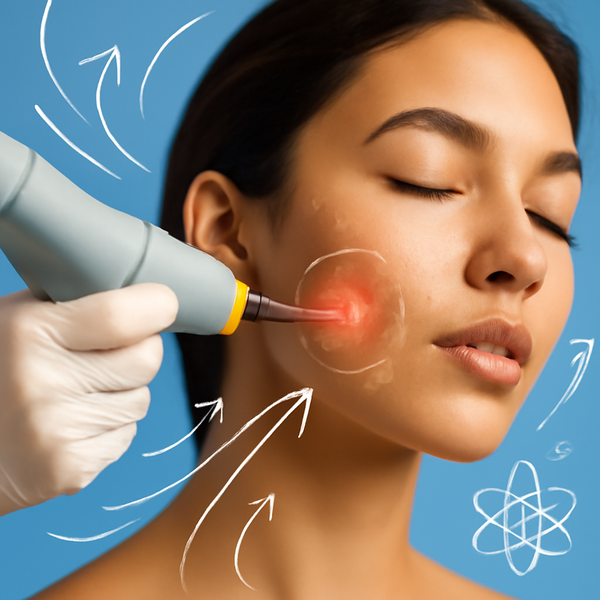
Tired of stubborn acne scars impacting your confidence? Laser treatment for acne scars offers a revolutionary approach to achieving smoother, clearer skin. This advanced dermatological procedure utilizes focused light energy to target and break down scar tissue, stimulating the body's natural collagen production. Over time, this process helps to significantly diminish the appearance of various types of acne scars, including atrophic (indented) scars, hypertrophic (raised) scars, and even post-inflammatory hyperpigmentation. Unlike topical treatments that may offer limited results, laser therapy penetrates deeper into the skin, addressing the root cause of scar formation and promoting significant improvement. Consult with a qualified dermatologist to explore how laser treatment can be tailored to your specific skin concerns and help you regain a more even complexion.
Understanding Laser Treatments for Acne Scars
Laser treatments for acne scars represent a sophisticated and highly effective solution for individuals seeking to improve the texture and appearance of their skin after experiencing breakouts. The technology behind these treatments harnesses the power of concentrated light energy, delivered in precise wavelengths, to interact with the damaged skin tissue. Different types of lasers are employed depending on the severity and type of acne scarring. Ablative lasers, for instance, work by removing thin layers of damaged skin, prompting the body to regenerate new, healthier skin cells. Non-ablative lasers, on the other hand, heat the underlying tissue without removing the surface layer, stimulating collagen production and remodeling the scar from within. Fractional lasers create microscopic treatment zones, leaving surrounding skin intact to promote faster healing. The process encourages the skin's natural healing mechanisms to produce new collagen and elastin, essential proteins that provide structure and elasticity to the skin. As collagen is rebuilt, the depressed areas of atrophic scars are filled in, and the overall texture of the skin becomes smoother and more refined. Multiple treatment sessions are typically recommended to achieve optimal results, with each session building upon the improvements from the previous one. The downtime associated with these procedures varies, but advancements in laser technology have led to less invasive options with minimal recovery periods, allowing individuals to return to their daily activities relatively quickly.
The Science Behind Scar Reduction
The efficacy of laser treatment for acne scars lies in its ability to precisely target and disrupt the abnormal collagen and fibrous tissue that form scars, while simultaneously promoting the synthesis of new, healthy collagen. When acne lesions heal, the natural wound-healing process can sometimes lead to an overproduction or underproduction of collagen, resulting in the visible indentations or raised bumps characteristic of scars. Laser energy, delivered in controlled pulses, can be absorbed by specific chromophores within the skin, such as water or melanin. This absorption leads to controlled thermal damage, which signals the body to initiate a repair response. Fibroblasts, the cells responsible for producing collagen, are activated, leading to increased production of new collagen and elastin fibers. This remodeling process gradually plumps up the skin, reducing the depth of indented scars and softening the appearance of raised ones. Furthermore, certain laser wavelengths can target melanin, helping to fade post-inflammatory hyperpigmentation (dark spots) that often accompany acne scarring, leading to a more even skin tone. The controlled nature of laser treatment ensures that surrounding healthy skin is largely unaffected, minimizing the risk of further damage and facilitating a smoother recovery. The cumulative effect of multiple sessions allows for progressive improvement, as the skin continually works to replace the damaged tissue with regenerated, healthier-looking skin.
Types of Lasers and Their Applications
A variety of laser technologies are utilized in the treatment of acne scars, each offering unique benefits and catering to different scar types and patient needs. Fractional ablative lasers, such as CO2 and Erbium:YAG lasers, are highly effective for deeper scars. They create microscopic columns of thermal injury that penetrate deep into the dermis, triggering significant collagen remodeling and resurfacing the skin. While effective, these lasers typically involve a longer recovery period. Fractional non-ablative lasers, like Fraxel Restore, work by heating the dermis to stimulate collagen production without ablating the skin's surface. This results in less downtime and is suitable for milder scarring and textural irregularities. Pulsed Dye Lasers (PDL) are particularly effective for red or purplish scars (post-inflammatory erythema) as they target blood vessels. They can also help flatten raised scars. Intense Pulsed Light (IPL) therapy, while not strictly a laser, can also be used to address hyperpigmentation associated with acne scars by targeting melanin. The choice of laser depends on factors such as the type and depth of scars, skin type, and the patient's tolerance for downtime. A thorough consultation with a dermatologist is crucial to determine the most appropriate laser modality or combination of treatments for optimal scar reduction and skin rejuvenation.
The Procedure and Expected Outcomes
Undergoing laser treatment for acne scars is a well-defined process designed to maximize results while ensuring patient comfort and safety. Before the procedure, your skin will be thoroughly cleansed, and a topical anesthetic cream will be applied to minimize any discomfort during treatment. Some individuals may also receive oral pain medication. The dermatologist will then meticulously move the laser device across the scarred areas, delivering controlled energy pulses. The sensation during treatment can vary but is often described as a mild prickling or snapping feeling. Protective eyewear is provided for both the patient and the practitioner. Following the laser session, the treated skin may appear red, swollen, and feel warm, similar to a sunburn. Cold compresses and prescribed post-treatment creams are typically recommended to soothe the skin and promote healing. It is crucial to follow post-care instructions diligently, including avoiding sun exposure and using broad-spectrum sunscreen, to protect the newly treated skin and prevent complications. While noticeable improvements can often be seen after the first few sessions, a series of treatments, typically spaced several weeks apart, is usually necessary to achieve the most significant and lasting results. These outcomes can include a noticeable reduction in scar depth, improved skin texture, a more even skin tone, and an overall smoother, more refined complexion, leading to a significant boost in self-esteem and confidence.
Is Laser Treatment Right for You?
Deciding if laser treatment for acne scars is the right choice involves considering several factors. Ideal candidates typically have mild to moderate acne scarring, including atrophic scars, hypertrophic scars, or post-inflammatory hyperpigmentation. Individuals seeking to improve skin texture and overall skin quality are also good candidates. It's important to have realistic expectations; while laser treatments can significantly improve the appearance of scars, they may not completely eliminate them. Your skin type and tone also play a role, as some laser technologies are more suitable for certain skin tones than others to minimize the risk of adverse effects like hyperpigmentation. A thorough consultation with a board-certified dermatologist is essential. During this consultation, the dermatologist will assess the specific types of acne scars you have, evaluate your skin type, discuss your medical history, and explain the potential benefits and risks associated with different laser treatments. They will also outline the expected number of treatment sessions and the recovery process. It is vital to be in good general health and have healthy, non-inflamed skin at the time of treatment. Avoiding certain medications, such as isotretinoin, for a specified period before and after treatment may also be necessary. By understanding these elements and engaging in an open dialogue with your dermatologist, you can make an informed decision about whether laser treatment is the optimal path to achieving your desired skin improvements.