

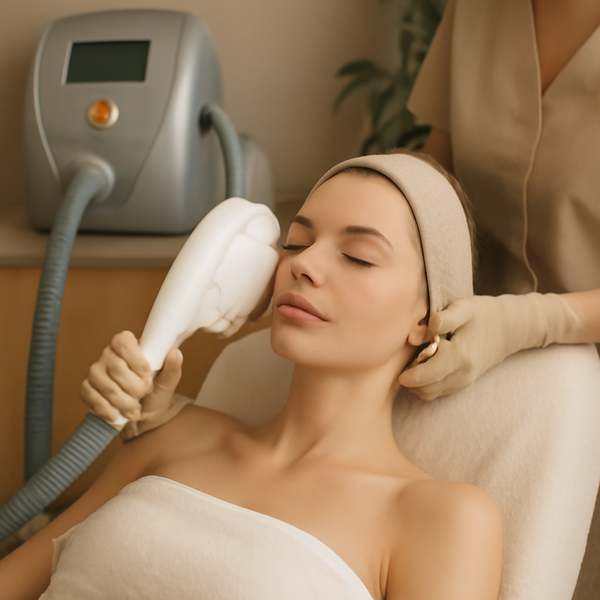
IPL laser treatment, or Intense Pulsed Light therapy, is a revolutionary cosmetic procedure designed to rejuvenate your skin by targeting a variety of common skin concerns. This non-invasive treatment utilizes broad-spectrum light to penetrate the skin, addressing issues like sun damage, age spots, freckles, rosacea, unwanted facial veins, and even mild acne scarring. Unlike traditional lasers that emit a single wavelength of light, IPL delivers multiple wavelengths, allowing it to treat a wider range of targets simultaneously. The controlled light pulses stimulate collagen production and encourage the skin’s natural healing process, leading to a visibly smoother, clearer, and more youthful complexion without significant downtime.
Understanding the IPL Laser Treatment Process
The IPL laser treatment process begins with a consultation to assess your skin type and concerns, ensuring it’s the right option for you. Before the procedure, a cooling gel is applied to the skin to enhance comfort and protect it during the treatment. You will also be provided with protective eyewear to shield your eyes from the intense light. The IPL handpiece is then placed on the skin, and pulses of light are delivered. You might feel a sensation similar to a rubber band snapping against your skin, which is generally well-tolerated. The duration of the treatment varies depending on the size of the area being treated, but a typical session can last from 30 minutes to an hour. Multiple sessions are usually recommended, spaced a few weeks apart, to achieve optimal results as the skin gradually improves with each treatment. The technology behind IPL is designed to be highly customizable, allowing practitioners to adjust the light energy and spectrum to precisely match your individual skin needs and goals.
Benefits of IPL Laser for Skin Rejuvenation
The benefits of IPL laser treatment for skin rejuvenation are extensive and can significantly enhance your skin’s appearance and health. One of the primary advantages is its effectiveness in reducing hyperpigmentation, including sunspots, age spots, and freckles, which are often caused by prolonged sun exposure. IPL light energy targets melanin, the pigment responsible for these dark spots, breaking it down and allowing the body to naturally eliminate it. Furthermore, IPL is highly effective in managing rosacea and reducing redness associated with this chronic skin condition. It targets the visible blood vessels that contribute to the facial redness and flushing characteristic of rosacea. For those concerned about signs of aging, IPL stimulates the production of collagen and elastin, crucial proteins that give the skin its firmness and elasticity. This leads to a reduction in fine lines and wrinkles, resulting in a smoother, more youthful-looking complexion. Even mild acne scars can be improved through this process as the light energy aids in tissue regeneration and promotes a more even skin texture. The overall result is a more radiant, even-toned, and refreshed appearance.
What to Expect After IPL Treatment
After undergoing IPL laser treatment, it’s important to understand what to expect to ensure proper healing and maximize the longevity of your results. Immediately following the procedure, your skin may appear slightly red or feel warm, similar to a mild sunburn. This is a normal reaction and typically subsides within a few hours to a day. You might also notice that any pigmented spots initially darken before they begin to fade and peel away over the next week or two. It’s crucial to avoid direct sun exposure for at least a week after treatment, as your skin will be more sensitive to UV rays. Always use a broad-spectrum sunscreen with a high SPF, even on cloudy days. Gentle skincare is also recommended; avoid harsh exfoliants, abrasive scrubs, and products containing retinoids or alpha-hydroxy acids for a few days post-treatment. Hydrating your skin with a gentle moisturizer is beneficial. While most patients experience minimal to no discomfort, some may have slight swelling. The results of IPL are not instantaneous but develop gradually over several weeks and months as the skin continues to repair and regenerate. Maintaining a consistent skincare routine and protecting your skin from the sun are key to preserving the rejuvenated appearance achieved through IPL therapy.
Is IPL Laser Treatment Right for You?
Determining if IPL laser treatment is the right choice for your skin concerns involves considering several factors related to your skin type, desired outcomes, and overall health. IPL is generally suitable for individuals looking to improve a range of superficial skin imperfections. It is particularly effective for those with fair to medium skin tones who have concerns like uneven skin tone, redness from rosacea, sun damage, freckles, and fine lines. However, individuals with very dark skin tones may not be ideal candidates due to the risk of pigmentary changes, as the light energy can be absorbed by melanin in deeper skin layers. A thorough consultation with a qualified skincare professional is essential. They will evaluate your skin, discuss your medical history, and determine if IPL aligns with your aesthetic goals and safety profile. If you are pregnant, breastfeeding, or have certain medical conditions like active infections or photosensitivity disorders, IPL may not be recommended. For most individuals seeking a non-surgical approach to achieve clearer, more youthful-looking skin with relatively little downtime, IPL laser treatment offers a compelling and effective solution.
The Technology Behind Intense Pulsed Light
The underlying technology of Intense Pulsed Light (IPL) is what sets it apart from traditional lasers and contributes to its versatility. Unlike a laser that emits a single, concentrated beam of light at a specific wavelength, IPL devices produce a broad spectrum of light wavelengths, ranging from visible light to infrared. This broad spectrum is then filtered to remove specific wavelengths that could be harmful or ineffective for certain treatments, allowing for customization based on the target. The light energy from IPL is absorbed by specific chromophores in the skin – these are the pigments that give color. For example, melanin absorbs light to treat pigmentation issues, while hemoglobin absorbs light to target blood vessels and redness. When these chromophores absorb the light energy, it converts into heat, which damages the targeted cells, whether they are pigment cells or blood vessels. This controlled thermal damage then triggers the body’s natural healing response. The collagen and elastin within the dermis are stimulated to repair and rebuild, leading to skin tightening and a reduction in fine lines. The pulsed nature of the light delivery ensures that the skin has a chance to cool down between pulses, minimizing the risk of thermal injury and enhancing patient comfort. The precise control over the intensity, duration, and spectrum of the light pulses makes IPL a safe and effective option for a variety of cosmetic concerns when administered by a trained professional.