

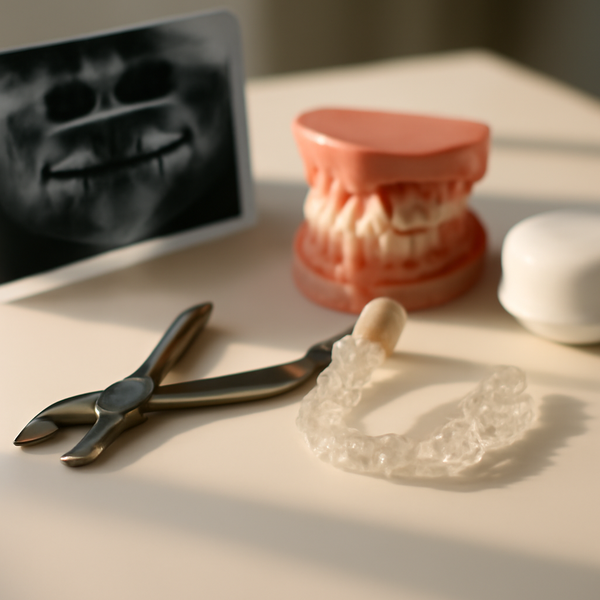
Discovering you have missing teeth can be concerning, but modern orthodontics offers effective solutions. While often associated with straightening misaligned teeth, orthodontic treatment plays a crucial role in addressing gaps caused by missing teeth, whether due to congenital absence, extraction, or injury. This approach not only improves the aesthetics of your smile but also enhances your oral function and long-term dental health. Understanding the various orthodontic strategies available can empower you to make informed decisions with your dental professional about the best path forward for restoring your complete and confident smile. We will delve into how orthodontics can prepare your mouth for, or complement, other restorative treatments.
Understanding Orthodontic Approaches to Missing Teeth
Orthodontic treatment for missing teeth focuses on several key objectives. Primarily, it aims to close the gap created by the missing tooth or teeth. This can be achieved by moving the adjacent teeth into the vacant space. Alternatively, orthodontics can create adequate space for a dental implant or a bridge to be placed. The choice of approach depends on various factors, including the number and location of missing teeth, the condition of the surrounding teeth and gums, and the patient's overall oral health. For instance, if a single tooth is missing, moving the adjacent teeth can often close the gap effectively, eliminating the need for prosthetic replacements. This method preserves natural tooth structure and can be a more conservative option. In cases where multiple teeth are missing or the gap is too large to close orthodontically without compromising adjacent teeth, orthodontics will be used to prepare the arch for implants or bridges. This involves aligning the remaining teeth to create optimal positions for the prosthetic teeth, ensuring proper bite and function. The duration of orthodontic treatment varies greatly, depending on the complexity of the case and the chosen method. However, the long-term benefits of a well-aligned and functional bite, coupled with a complete smile, are significant, contributing to improved confidence and better overall oral hygiene.
The Role of Orthodontics in Preparing for Implants and Bridges
When missing teeth necessitate the use of dental implants or bridges, orthodontic treatment often plays a vital preparatory role. For dental implants, orthodontics can create precise and adequate space for the implant fixture to be placed. This ensures that the implant is positioned correctly for optimal function and aesthetics, preventing any interference with the bite or neighboring teeth. Moving teeth orthodontically allows dentists to control the exact width and depth of the space, maximizing the chances of successful implant integration and a natural-looking result. Similarly, for dental bridges, orthodontic treatment can align the abutment teeth (the teeth that will support the bridge) to ensure they are in the ideal position. This alignment is crucial for the stability and longevity of the bridge. Furthermore, if there's a need to close smaller gaps orthodontically before considering a bridge, it can sometimes eliminate the need for one entirely, preserving more natural tooth structure. Orthodontics can also address any underlying bite issues that might have contributed to tooth loss or could affect the success of restorative work. By creating a harmonious and balanced bite, the forces are distributed evenly, reducing stress on the remaining teeth and the new prosthetics. This comprehensive approach ensures that not only the missing teeth are replaced but also that the entire dentition functions harmoniously for years to come.
Types of Orthodontic Appliances Used
A variety of orthodontic appliances can be employed to address missing teeth, depending on the specific treatment goals. Traditional metal braces are a versatile option, capable of moving teeth with precision to close gaps or create space. These braces utilize a system of brackets and wires to apply gentle, continuous pressure, guiding the teeth into their desired positions. For those seeking a more discreet solution, clear aligners (like Invisalign) offer a comparable outcome. These custom-made, transparent trays are worn sequentially, each subtly shifting the teeth closer to their final placement. Clear aligners are particularly effective for simpler cases or when minor tooth movement is required to prepare for an implant or bridge. In some instances, temporary anchorage devices (TADs) may be used in conjunction with braces or aligners. TADs are small, screw-like devices inserted into the bone to provide an anchor point, allowing for more controlled tooth movement and facilitating complex corrections, such as closing large gaps or preventing unwanted tooth tilting. The choice of appliance is always individualized, considering the patient's preferences, the complexity of the orthodontic problem, and the overall treatment plan. The orthodontist will conduct a thorough examination, including X-rays and impressions, to determine the most suitable appliance for achieving the best possible outcome for your unique situation.
Benefits of Orthodontic Treatment for Missing Teeth
The advantages of utilizing orthodontic treatment for missing teeth extend far beyond mere cosmetic improvement. By strategically moving adjacent teeth to close gaps or preparing space for implants and bridges, orthodontics restores the continuity of your dental arch. This closure prevents the remaining teeth from shifting or tilting into the empty spaces, which can lead to bite problems, increased wear on teeth, and difficulties with chewing. A closed or properly prepared gap ensures a stable and balanced bite, which is fundamental for maintaining the health of your temporomandibular joints (TMJs) and reducing the risk of jaw pain and headaches. Furthermore, a complete and well-aligned smile improves oral hygiene. Gaps can become traps for food particles and plaque, increasing the risk of decay and gum disease in adjacent teeth. By closing these spaces, you create a more uniform surface that is easier to clean effectively. Ultimately, addressing missing teeth with orthodontics contributes to improved chewing efficiency, clearer speech, enhanced self-confidence, and the preservation of your overall oral health, preventing future complications and ensuring a functional, beautiful smile for life.
Considering Your Options: Consultation is Key
Embarking on orthodontic treatment for missing teeth is a significant decision, and a thorough consultation with a qualified orthodontist is paramount. During this appointment, the orthodontist will perform a comprehensive assessment of your oral health, including examining your teeth, gums, bite, and jaw structure. This evaluation typically involves taking detailed X-rays, digital scans, or impressions of your teeth to create a precise 3D model of your mouth. Based on this diagnostic information, the orthodontist can develop a personalized treatment plan tailored to your specific needs and goals. They will discuss the various orthodontic options available, such as braces or clear aligners, and explain how each can be used to address your missing teeth. Crucially, they will outline the expected duration of treatment, the potential costs involved, and the anticipated outcomes. They will also collaborate with your general dentist or any specialists involved, such as oral surgeons or prosthodontists, to ensure a coordinated approach, especially if implants or bridges are part of the long-term plan. This collaborative effort guarantees that all aspects of your dental health are considered, leading to the most effective and aesthetically pleasing results. Do not hesitate to ask questions and express any concerns you may have during this consultation; informed decision-making is key to a successful orthodontic journey.