

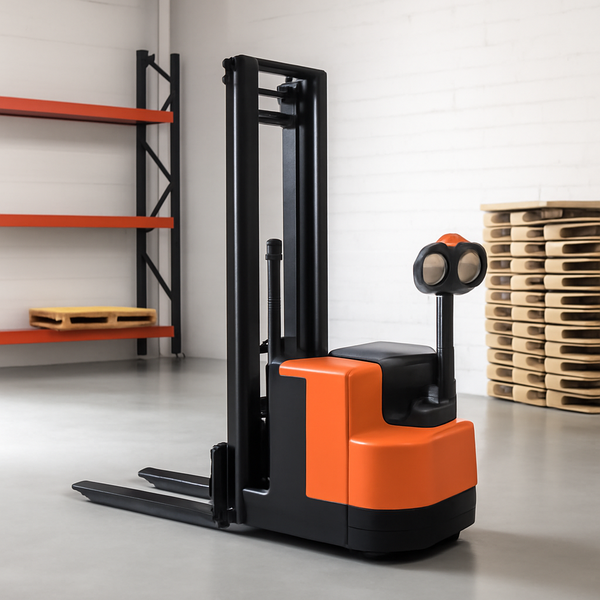
A pallet stacker lift is an indispensable piece of equipment for modern warehouses, distribution centers, and manufacturing facilities. It plays a crucial role in optimizing space, improving workflow, and ensuring the safe and efficient movement of goods. By enabling the vertical stacking of pallets, these versatile machines significantly increase storage capacity, transforming underutilized vertical space into valuable operational real estate. The core function of a pallet stacker lift is to elevate and move palletized loads with precision and ease, reducing the need for manual labor and minimizing the risk of workplace injuries associated with heavy lifting. Their design prioritizes both power and maneuverability, allowing operators to navigate tight spaces and complex environments effectively.
Understanding Pallet Stacker Lift Types and Applications
Pallet stacker lifts come in various configurations to suit diverse operational needs. Manual pallet stackers, often referred to as hand pallet trucks or pump trucks, are ideal for lighter loads and shorter distances. They require manual effort to lift and move pallets, making them a cost-effective solution for smaller businesses or less demanding tasks. Electric pallet stackers, on the other hand, offer powered lifting and travel, significantly reducing operator fatigue and increasing productivity. These can range from walkie stackers, where the operator walks behind the unit, to ride-on stackers for larger operations and longer travel distances. Some advanced models feature straddle legs or adjustable forks to accommodate different pallet sizes and configurations, further enhancing their versatility. The choice of pallet stacker lift depends heavily on factors such as the weight of the loads, the required lifting height, the frequency of use, and the available space within the facility. Investing in the right type of pallet stacker lift can dramatically improve operational efficiency, reduce handling times, and contribute to a safer working environment by minimizing manual strain.
Key Features and Benefits of Pallet Stacker Lifts
The primary benefit of utilizing a pallet stacker lift is the substantial improvement in material handling efficiency. By enabling vertical stacking, these machines maximize warehouse storage space, allowing businesses to store more inventory within the same footprint, which can lead to significant cost savings on facility expansion. Furthermore, the powered lifting and movement capabilities of electric pallet stackers drastically reduce the physical strain on employees, lowering the incidence of workplace injuries and associated compensation claims. This not only protects your workforce but also contributes to higher morale and sustained productivity. The precise control offered by many pallet stacker lifts allows for accurate placement of goods, minimizing damage to inventory during transit and storage. Their maneuverability is another critical advantage, enabling them to operate effectively in narrow aisles and confined spaces, which is essential in modern, densely packed warehouses. Safety features such as emergency stop buttons, stability controls, and robust braking systems are standard on most models, providing operators with confidence and ensuring secure operation. The overall reduction in manual handling also speeds up loading and unloading processes, leading to quicker turnaround times and enhanced customer satisfaction.
Selecting the Right Pallet Stacker Lift for Your Business
Choosing the appropriate pallet stacker lift is a strategic decision that requires careful consideration of several factors to ensure it aligns with your specific operational demands and budget. Begin by assessing the typical weight of the loads you will be handling; pallet stacker lifts have distinct weight capacities, and exceeding these limits can lead to equipment damage and safety hazards. Next, determine the required lifting height. If you need to stack pallets several levels high, you'll need a model with a greater lift capacity. Consider the operating environment: will the stacker be used indoors or outdoors? Are the floors smooth and level, or are there inclines and uneven surfaces? Electric stackers are generally preferred for frequent use and heavier loads, while manual options may suffice for less demanding applications. The aisle width of your warehouse is also a critical factor; compact models are designed for narrow aisles, maximizing storage density. Think about the frequency of use – for continuous operations, a more robust electric model with a long-lasting battery is advisable. Finally, explore the available safety features and ergonomic considerations to ensure operator comfort and safety. Consulting with a material handling equipment specialist can provide valuable insights and help you identify the most suitable pallet stacker lift for your business needs.
Maintenance and Safety Practices for Pallet Stacker Lifts
Proper maintenance and adherence to strict safety protocols are paramount to ensuring the longevity, reliability, and safe operation of any pallet stacker lift. Regular inspections should be conducted by trained personnel before each use to identify any potential issues. This includes checking hydraulic fluid levels, inspecting the forks for signs of wear or damage, examining the tires for proper inflation and tread depth, and verifying that all safety mechanisms, such as brakes and warning lights, are functioning correctly. Battery maintenance is crucial for electric models; ensure batteries are charged according to manufacturer recommendations and that charging stations are well-ventilated. Following a scheduled preventive maintenance program, as outlined by the manufacturer, can help to catch minor problems before they escalate into costly repairs or dangerous failures. In terms of safety, operators must receive comprehensive training on the specific model of pallet stacker lift they will be using, including understanding its load capacity, operating limits, and emergency procedures. Never exceed the maximum load capacity, and ensure that loads are properly centered and secured on the forks. When operating, maintain a clear line of sight, use audible warnings when necessary, and travel at a safe speed. Always be aware of your surroundings, including pedestrians, other equipment, and overhead obstacles. Proper storage of the pallet stacker lift when not in use is also important to prevent damage and ensure it is ready for the next operational cycle.