

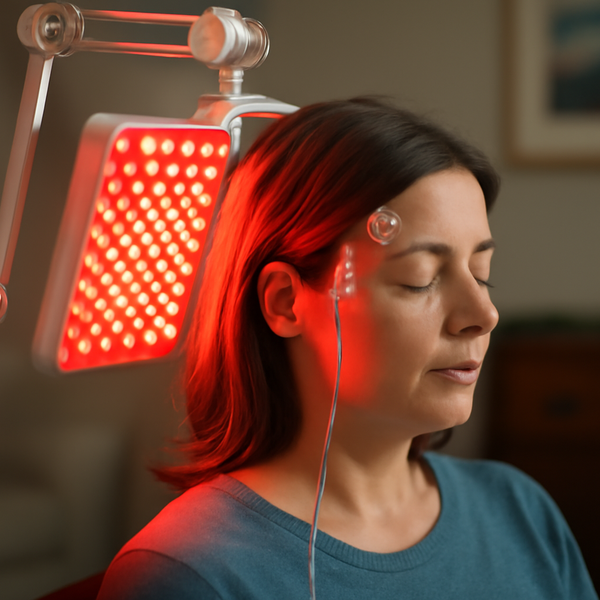
Photobiomodulation (PBM), also known as low-level laser therapy (LLLT), is an emerging non-invasive therapeutic approach that utilizes light to stimulate cellular function and promote healing. Recent research has begun to explore its potential applications in managing neurological conditions, including epilepsy. This innovative treatment modality involves exposing affected areas to specific wavelengths of light, which can penetrate tissues and interact with cellular components, particularly mitochondria, to enhance energy production and reduce oxidative stress. The growing interest in PBM for epilepsy stems from its ability to potentially modulate neuronal excitability and reduce inflammation, key factors implicated in seizure generation and propagation. Early studies suggest promising results, offering a novel avenue for individuals seeking alternative or adjunctive therapies.
Understanding the Mechanisms of Photobiomodulation in Epilepsy
Photobiomodulation's potential to impact epilepsy lies in its ability to influence cellular processes that are dysregulated in this complex neurological disorder. At the cellular level, photons from the light source are absorbed by chromophores, primarily within the mitochondria. This absorption triggers a cascade of events, including the release of nitric oxide, which can improve blood flow and oxygenation to brain tissue. Furthermore, PBM has been shown to increase the production of adenosine triphosphate (ATP), the primary energy currency of cells, thereby enhancing cellular repair and function. In the context of epilepsy, this increased cellular energy can help neurons to better withstand and recover from the metabolic stress associated with seizures. Moreover, PBM can modulate the levels of reactive oxygen species (ROS), which are often elevated in epileptic brains and contribute to neuronal damage and hyperexcitability. By reducing oxidative stress, PBM may help to create a more stable neuronal environment, potentially decreasing seizure frequency and severity. The anti-inflammatory effects of PBM are also significant, as neuroinflammation plays a crucial role in the pathophysiology of epilepsy, contributing to seizure generation and the progression of the condition. By modulating cytokine production and reducing the activation of glial cells, PBM can help to dampen this inflammatory response.
Clinical Investigations and Promising Results
While still in its early stages, the clinical investigation into photobiomodulation for epilepsy has yielded encouraging findings. Initial studies, often involving small cohorts of patients, have reported a reduction in seizure frequency and duration following PBM treatment. These studies typically involve applying specific wavelengths of near-infrared or red light to the scalp, targeting specific brain regions implicated in seizure activity. The non-invasive nature of PBM is a significant advantage, offering a less burdensome treatment option compared to some pharmacological interventions or surgical procedures. Researchers are actively working to refine treatment protocols, including optimizing the wavelength, intensity, duration, and frequency of light application to maximize therapeutic benefits. Objective measures, such as electroencephalogram (EEG) readings and seizure diaries, are used to assess the efficacy of PBM. Some studies have also explored the impact of PBM on cognitive function and quality of life in individuals with epilepsy, with preliminary indications of positive effects. The growing body of evidence, though needing further validation through larger, randomized controlled trials, suggests that PBM could become a valuable complementary therapy in the comprehensive management of epilepsy, offering hope for improved seizure control and overall well-being for patients.
Potential Benefits and Future Directions
The potential benefits of photobiomodulation for epilepsy are multifaceted and extend beyond mere seizure reduction. As mentioned, its ability to enhance cellular energy production and reduce oxidative stress can contribute to neuroprotection, potentially mitigating long-term neuronal damage associated with recurrent seizures. The anti-inflammatory effects can also play a crucial role in preventing the kind of chronic inflammation that can exacerbate epilepsy. Furthermore, PBM's non-pharmacological nature means it avoids many of the systemic side effects associated with traditional anti-epileptic drugs, such as sedation, cognitive impairment, and gastrointestinal disturbances. This makes it an attractive option for patients who are refractory to medication or who experience intolerable side effects. The future of PBM in epilepsy treatment is bright, with ongoing research focusing on identifying optimal treatment parameters for different types of epilepsy, developing more targeted delivery systems for light, and conducting larger clinical trials to establish definitive efficacy and safety profiles. Personalized treatment approaches based on individual seizure characteristics and genetic predispositions may also become a reality. The potential for PBM to improve the quality of life for individuals living with epilepsy, by offering a safe and effective adjunctive therapy, is a significant driving force behind its continued development.
Considerations for Patients and Healthcare Providers
For patients considering photobiomodulation as a treatment option for epilepsy, it is essential to approach this therapy with informed expectations and to engage in thorough discussions with their healthcare providers. While promising, PBM is still a relatively novel treatment for epilepsy, and it is crucial to understand that it is most likely to be used as an adjunctive therapy alongside established medical treatments, rather than a standalone cure. Patients should seek out experienced clinicians and facilities that are well-versed in PBM protocols for neurological conditions. It is also important to be aware of ongoing research and clinical trials, as participation in these studies can provide access to potentially cutting-edge treatments and contribute to the scientific understanding of PBM's efficacy. Healthcare providers, on the other hand, need to stay abreast of the latest research findings and clinical guidelines regarding PBM. A thorough understanding of the underlying mechanisms, potential benefits, limitations, and contraindications is vital for making informed recommendations to patients. Collaboration between neurologists, epileptologists, and specialists in PBM is essential to ensure safe and effective integration of this therapy into epilepsy management plans. As research progresses, PBM is poised to become an increasingly recognized tool in the fight against epilepsy, offering a beacon of hope for improved patient outcomes.